

The index patient presented with cyanosis at two years of life and was diagnosed with Tetralogy of Fallot with hypoplastic confluent pulmonary arteries. The right ventricular outflow tract (RVOT) was stented with an 8 mm×16 mm formula stent followed by vascular plug occlusion of a major aortopulmonary collateral (MAPCA). At four years, he underwent polytetrafluoroethylene patch closure of the ventricular septal defect, right pulmonary artery augmentation using a bovine pericardial patch, trans-annular pericardial patch, mono-cusp pulmonary valve reconstruction, and MAPCA unifocalisation. He underwent left pulmonary artery balloon angioplasty at five years with a 12 mm non-compliant balloon. A follow-up chest X-ray revealed a new finding of a dilated RVOT segment five months later. Computed tomography showed two mirror-image proximal suture line aneurysms from the anterior and anteromedial aspects of the RVOT. The workup for infective endocarditis was negative, and the child was scheduled for surgical repair.
Right ventricular overflow tract aneurysms are extremely unusual following transannular patches unlike conduit repairs, with an incidence of 0.28%.1 Residual outflow tract obstruction, pulmonary regurgitation, trauma, ventriculotomy, type of suture material, continuous running sutures, partial thickness sutures and postoperative infection are contributing factors for dehiscence of the reconstructed RVOT, hematoma formation and wall thinning.2 Our case is a rare description of multiple proximal suture line RVOT aneurysms after transannular patch repair in a stented RVOT. Factors that may have contributed to the development of an aneurysm include: ventriculotomy incision, residual branch pulmonary artery stenosis leading to RV hypertension, and free pulmonary regurgitation. Surgical aneurysm repair is advised to prevent complications related to mediastinal compression, infection, thrombosis, and rupture (Figure 1).

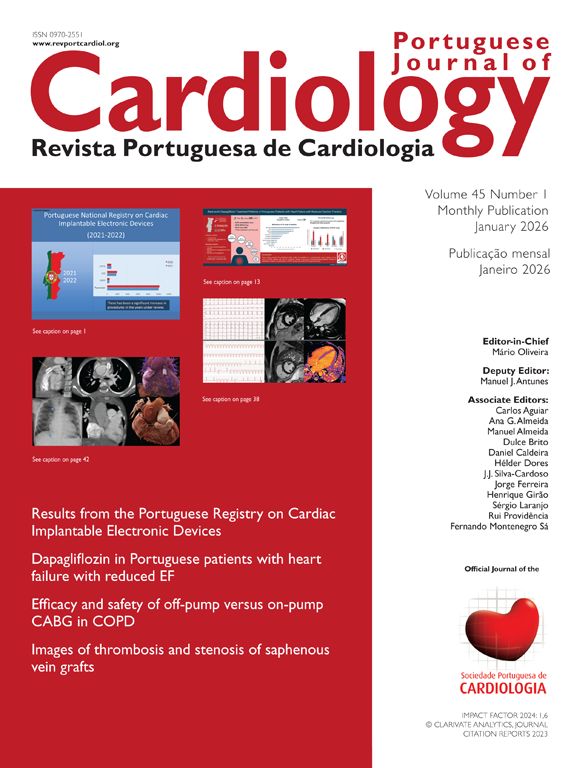
Pre- and post-operative images of a case of Tetralogy of Fallot underwent RVOT stenting followed by intracardiac repair. Preoperative cardiac CT (A–C) showing RVOT stent in situ (arrows in A and B) with good flow in main and branch pulmonary arteries. Chest radiograph (D) two years after intracardiac repair showing prominent mediastinal bulge in the location of RVOT (asterisk) with vascular plugs in the aortopulmonary collaterals (arrowheads). Coronal reconstructed image (E) of cardiac CT showing pseudoaneurysms of the RVOT patch (asterisk). The reconstructed CT cinematic rendering images better depict the two mirror-image proximal suture line aneurysms (arrows in F). CT: computed tomography; RVOT: right ventricular outflow tract.
The study was conducted in accordance with the ethical standards laid down in the 1964 Declaration of Helsinki and its amendments. Informed written consent was taken from the patient concerned. No patient identity particulars have been disclosed.
FundingNone declared.
Conflict of interestsThe authors declare no conflict of interest.