


The importance of arterial hypertension has been increasing over years and is the metabolic risk factor with a higher burden for morbidity and mortality.1
Based on the e_COR study, the prevalence of arterial hypertension in Portugal was 43%, 37% of those affected were unaware of the diagnosis of hypertension and those with diagnosis and treatment had a suboptimal control.2
Recognizing the critical role of accurate blood pressure (BP) measurement in hypertension diagnosis and management, and the increasing contribution of community pharmacies to patient care, we conducted a cross-sectional study to assess BP measurement habits among individuals seeking BP checks at pharmacies.
MethodsThe HowBP study was an observational cross-sectional project evaluating adults (aged ≥18 years) who presented for BP measurement at Rede Claro pharmacies, widely distributed across Portugal, during June 2022. Individuals were included after providing informed consent. Those unable to consent were excluded. At this stage of the study, participants only answered a questionnaire about their BP measurement habits.
The study adhered to good clinical practice guidelines and the Declaration of Helsinki. It was approved by the Ethics Committee of the Faculty of Medicine of the University of Lisbon. This was an academic study without funding.
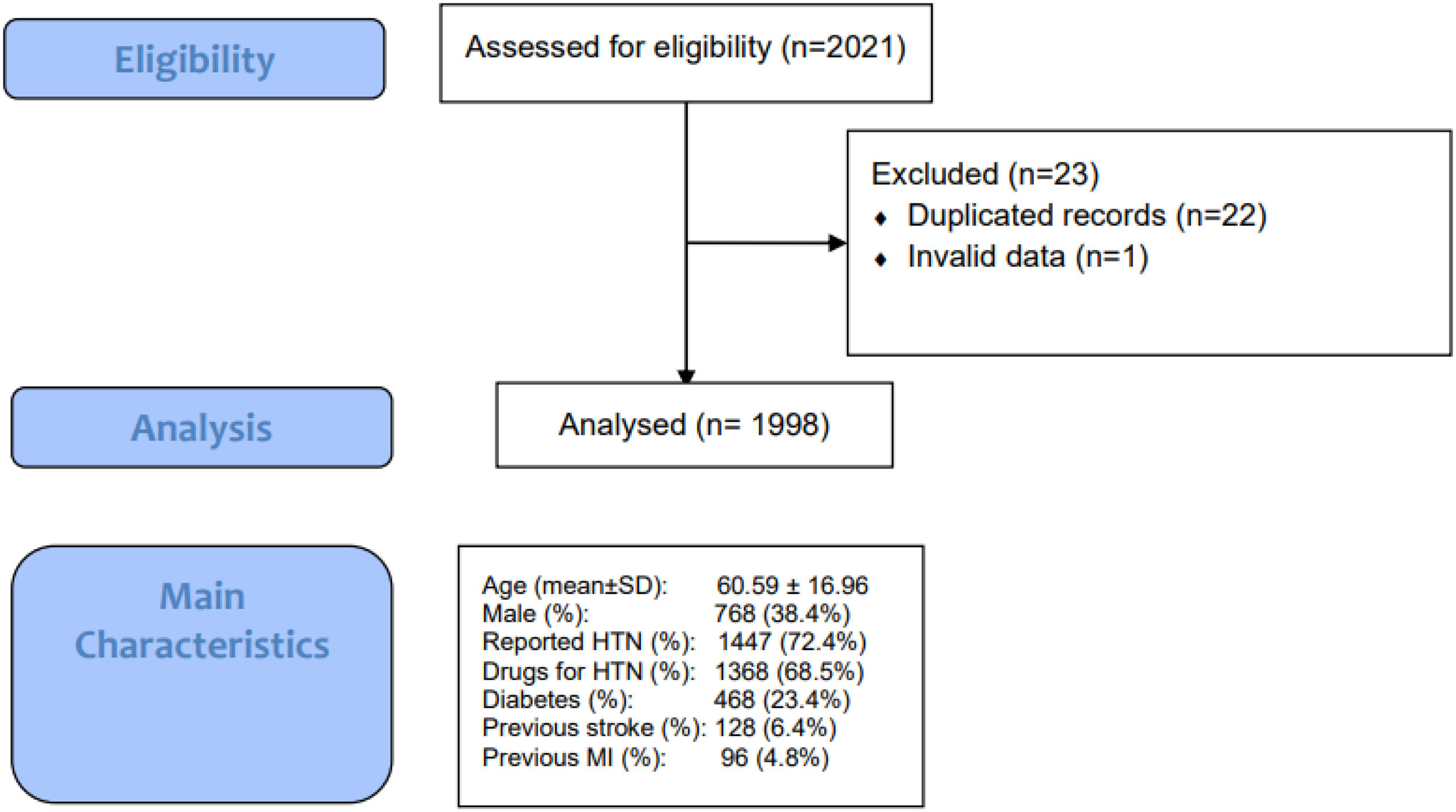
ResultsThe HowBP study enrolled 1998 individuals (Figure 1).

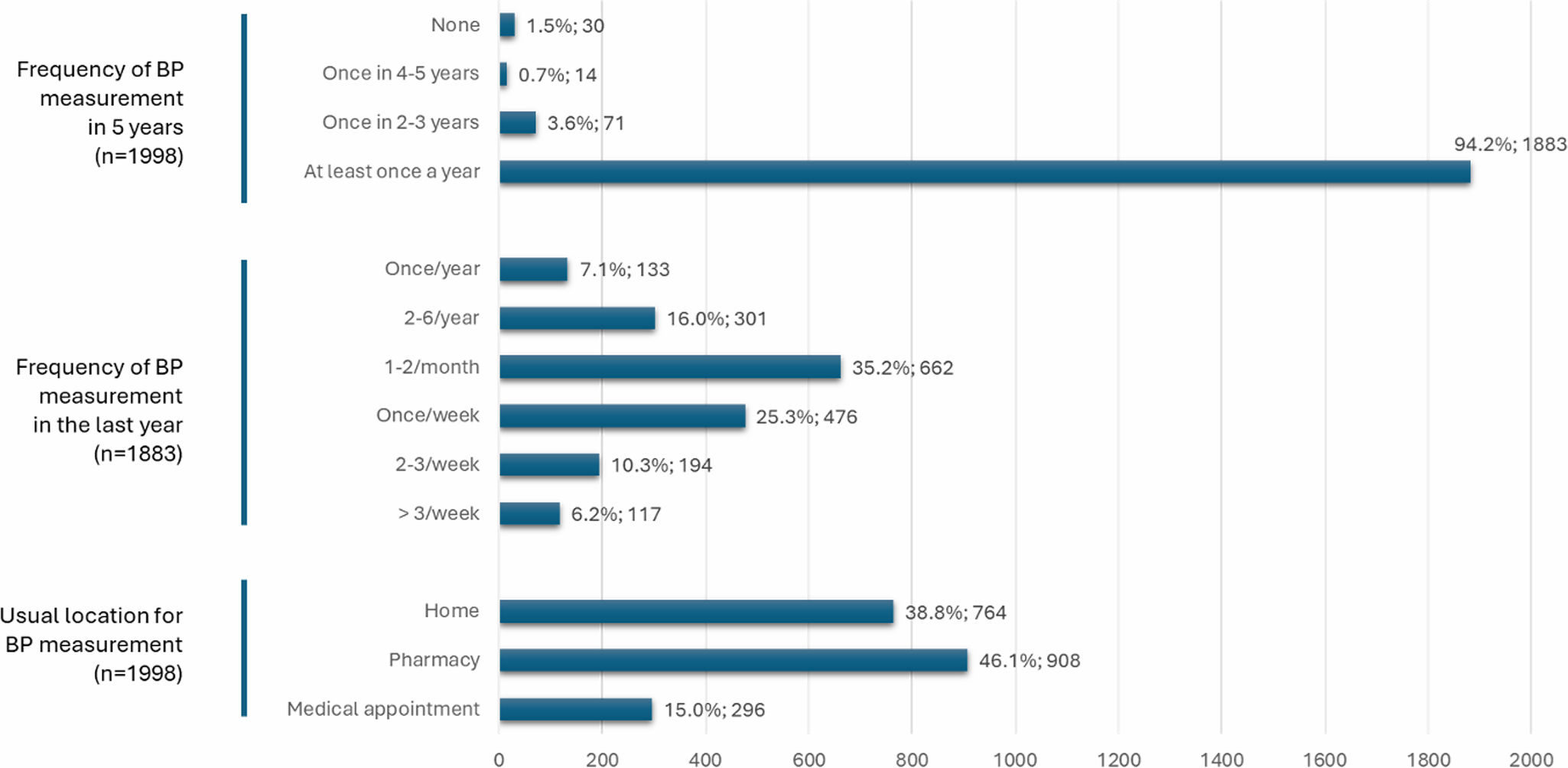
Regarding the frequency of BP measurements, 94.2% of participants measured their BP at least once a year. Among those who measured it in the last year, 35.2% did so every one to two months, 25.3% weekly, and 16.5% more than twice a week. The most common measurement locations were pharmacies (46.1%), home (38.8%), and medical appointments (15.0%) (Figure 2).

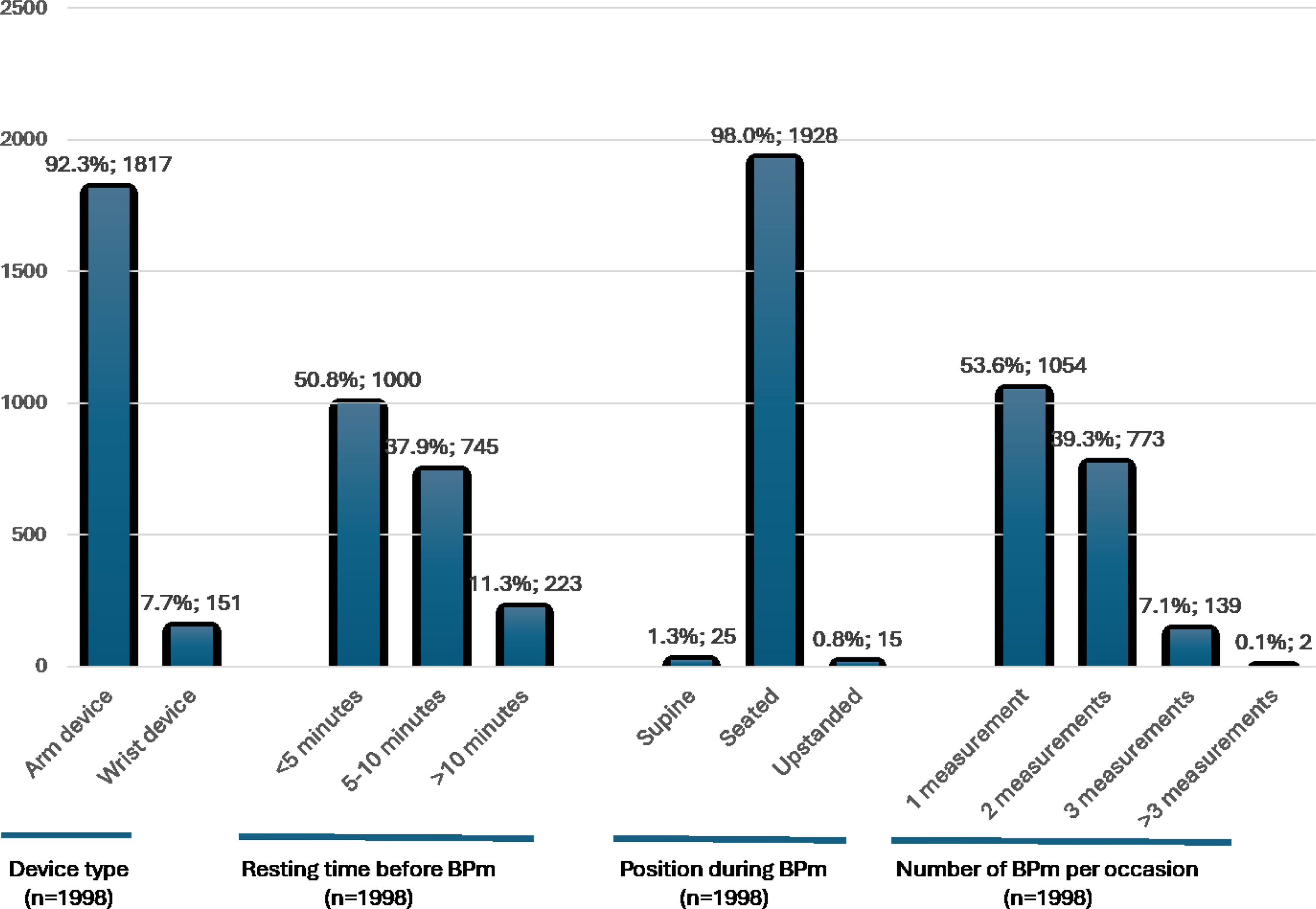
Most participants (92.3%) used an arm device and measured BP in a seated position (98%) (Figure 3). However, 50.8% rested less than five minutes before measurement, and 53.6% took only one reading per occasion (Figure 3), both of which are suboptimal practices.
Discussion and conclusion
The study revealed that while most participants measured their BP regularly according to current recommendations,3,4 there are measurement practices that need to be improved.5 Only 16.5% measured more than once per week, which is lower than expected for a sample with a high prevalence of patients with hypertension. Also, most participants used arm devices and measured BP while seated, some still used wrist devices or measured in non-standard positions. The sample may be biased due to recruitment in pharmacies, potentially including individuals who are more likely to have healthier behaviors.
In conclusion, while most participants regularly measure their BP, there is a need to improve the accuracy and frequency of measurements, particularly among patients with hypertension. The short resting time before measurement and the practice of taking only one reading per occasion are areas of particular concern. These findings highlight the need for better patient and population education on proper BP measurement techniques to optimize the awareness, diagnosis and control of hypertension with the aim of reducing the burden of cardiovascular diseases.
Learning points- •
Most individuals measured their BP at least once yearly.
- •
Pharmacies and the home were the most frequent settings for BP measurement.
- •
Only half of participants rested for five minutes before measurement.
- •
Approximately half of participants took only a single reading per occasion.
Ethics Commission of the Faculty of Medicine of the University of Lisbon/CAML.
Conflicts of interestNone declared.
We thank Rede Claro for providing the setting which led to the execution of the HowBP study.