
Cardiovascular disease is the leading cause of death in women, yet remains underrecognized. Cardiovascular health literacy – the ability to access, understand, and apply health information – is crucial for effective risk management. This study aimed to assess cardiovascular health literacy awareness in a sample of Portuguese women and to identify predictors of low self-reported awareness.
MethodsWe conducted a cross-sectional study during a cardiovascular screening event in Portugal. Women aged ≥18 years completed a validated questionnaire assessing knowledge of cardiovascular risk factors, symptoms, prevention, and appropriate response. The primary outcome was self-reported lack of awareness. Secondary outcomes summarized cardiovascular health literacy domains and barriers to healthy lifestyles. Predictors of lack of awareness were examined using multivariate logistic regression.
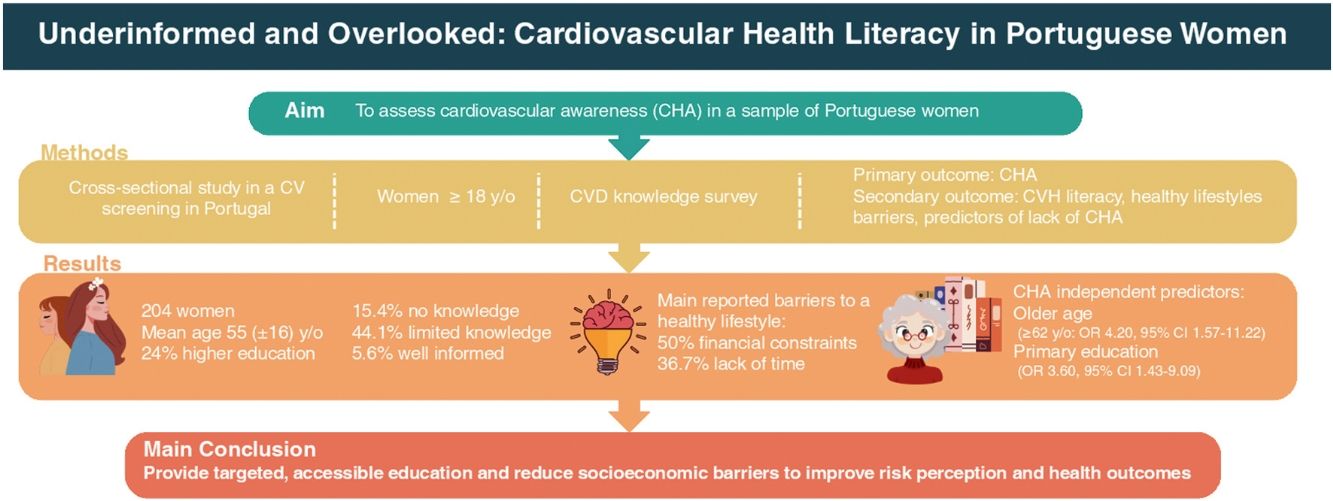
ResultsWe included 204 women (mean age 55±16 years); 89.2% lived in urban areas and 24% had higher education. Only 5.6% felt well-informed, while 15.4% reported no knowledge. Only 27.7% recognized cardiovascular disease as the leading cause of death in women. Symptom recognition was suboptimal. The main barriers to healthy lifestyles were financial constraints (50%) and lack of time (36.7%). In multivariate analysis, older age (≥62 years: OR 4.20, 95% CI 1.57–11.22) and primary education (OR 3.60, 95% CI 1.43–9.09) independently predicted low awareness.
ConclusionsPortuguese women demonstrate limited awareness and uneven cardiovascular health literacy. Older age and lower educational attainment were key predictors, highlighting the need for targeted, accessible education and mitigation of socioeconomic barriers to improve risk perception and health outcomes in this group.
A doença cardiovascular é a principal causa de morte em mulheres, porém continua subvalorizada. A literacia em saúde cardiovascular – capacidade de aceder, compreender e aplicar informação – é essencial à gestão eficaz do risco. Este estudo avaliou a literacia em saúde cardiovascular em mulheres portuguesas e identificou preditores de baixa autoperceção de conhecimento.
MétodosEstudo transversal durante um rastreio cardiovascular em Portugal. Mulheres ≥18 anos preencheram um questionário validado sobre fatores de risco, sintomas, prevenção e resposta à doença cardiovascular. Desfecho primário: autoperceção de falta de conhecimento. Desfechos secundários: domínios da literacia em saúde cardiovascular e barreiras a estilos de vida saudáveis. Foi efetuada regressão logística multivariada para identificar preditores de baixo conhecimento.
ResultadosIncluímos 204 mulheres (idade média 55±16 anos); 89,2% residiam em áreas urbanas e 24% tinham ensino superior. Apenas 5,6% sentiam-se bem informadas, enquanto 15,4% reportaram não ter conhecimento. Apenas 27,7% reconheceram a doença cardiovascular como a principal causa de morte feminina. O reconhecimento de sintomas foi subótimo. As principais barreiras identificadas foram dificuldades financeiras (50%) e falta de tempo (36,7%). Na análise multivariada, a idade ≥62 anos (OR 4.20, 95% CI 1,57-11,22) e o ensino primário (OR 3.60, 95% CI 1,43-9,09) associaram-se independentemente a baixa autoperceção.
ConclusõesAs mulheres portuguesas demonstram autoperceção e literacia em saúde cardiovascular limitadas. A idade avançada e a menor escolaridade foram preditores-chave, destacando a necessidade de educação direcionada e acessível e de mitigar barreiras socioeconómicas para melhorar a perceção de risco e resultados de saúde.

Cardiovascular disease (CVD) remains the leading cause of death in women worldwide, accounting for more fatalities than all forms of cancer combined.1 Despite this burden, CVD in women is consistently underrecognized, underdiagnosed, and undertreated, partly due to persistent misconceptions that it is a predominantly male disease.2,3 This gender bias contributes to delays in care, misinterpretation of symptoms, and poorer outcomes for women.4
Health literacy – defined as the ability to access, understand, and use health information to make informed decisions – plays a critical role in managing cardiovascular risk and improving clinical outcomes.5 Limited cardiovascular health literacy has been associated with poor recognition of risk factors and symptoms, lower adherence to lifestyle recommendations and medications, and reduced engagement with preventive care.6,7
Although studies in Korea, the Gulf region and Arab populations have begun to explore cardiovascular health literacy in women,8–10 this topic remains under-investigated in many parts of Europe. In Portugal, specifically, there is a lack of data regarding women's awareness of cardiovascular disease and their ability to recognize, prevent and respond to it. Understanding the current state of cardiovascular health literacy in Portuguese women is essential to designing effective public health strategies, improving outcomes, and reducing gender-based disparities in cardiovascular care.
ObjectivesThis study aimed to assess cardiovascular health awareness in a sample of Portuguese women. The secondary objectives were to identify predictors of low self-perceived awareness of cardiovascular disease in women, to characterize cardiovascular health literacy and to identify barriers to healthy lifestyles.
MethodsStudy design and sample selectionWe conducted a single-center, cross-sectional, observational study. The sample was selected using a consecutive convenience sampling method, including all women aged 18 years or older who voluntarily consented to participate during a cardiovascular screening event conducted in Portugal in May 2023.
Data collection and questionnaireData were collected in person through a validated, anonymous, self-administered questionnaire (see supplementary material). The survey was adapted from a previously published study by Hyun-Jin et al., with modifications to reflect the Portuguese context and local public health literacy priorities.
The questionnaire consisted of three main sections- •
Section 1: Collected basic demographic and clinical information, including age, educational level, menopausal status, cardiovascular risk factors, and history of established cardiovascular disease.
- •
Section 2: Assessed participant's global awareness of cardiovascular disease in women (self-perceived knowledge of CVD in women), using a scale ranging from “very well informed” to “not at all informed/I don’t know”.
- •
Section 3: Evaluated objective knowledge on key cardiovascular concepts, such as symptom recognition, risk factors, prevention strategies, and appropriate responses to cardiovascular events. This section also included items on access to information and perceived barriers to adopting healthy lifestyles.
The survey was administered in Portuguese by trained volunteers and completed in a single session. Responses were anonymized and compiled into a secure database for analysis.
Primary and secondary outcomesThe primary outcome was the lack of awareness, defined a priori as selecting “I don’t know” on the global item.
Secondary outcomes included identifying independent predictors of low cardiovascular health awareness, domain-specific knowledge of cardiovascular disease and perceived barriers to adopting healthy behaviors.
Ethical considerationsThe study was conducted in accordance with the ethical principles of the Declaration of Helsinki (1964), as revised in Fortaleza (2013). All participants provided verbal voluntary informed consent. The study was exempt from formal ethical approval as it was an anonymous, survey-based study with no identifiable personal data collected.
Statistical analysisData were analyzed using IBM SPSS Statistics software (version 25; IBM Corp, USA). Descriptive statistics were used to summarize the study population. Categorical variables are presented as absolute frequencies (n) and percentages (%), while continuous variables are expressed as mean±standard deviation or as median [minimum–maximum], according to data distribution.
The chi-square test was used to compare categorical variables. To identify independent predictors of lack of awareness, univariate analyses were first performed, followed by multivariate logistic regression including clinical pre-specified variables with a p-value <0.05. We reported odds ratios (ORs) with 95% confidence intervals (CIs). To explore an age cut-off, we performed ROC analysis, assessing discrimination with the area under the receiver operating characteristic curve (AUC) and its 95% confidence interval (CI) estimated by the DeLong method. The age cut-off was identified using the Youden index (J=sensitivity+specificity−1). All tests were two-tailed with a p-value of <0.05 considered statistically significant.
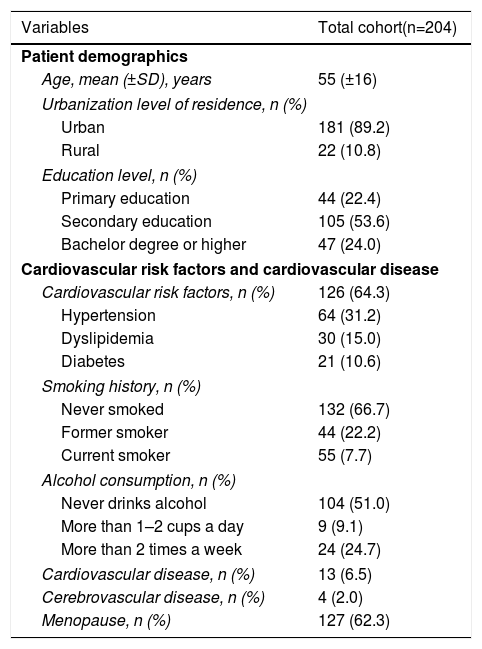
ResultsDemographic and clinical characteristicsA total of 204 women were included in the study, with a mean age of 55±16 years. Most participants (89.2%) resided in urban areas, and 24% had a bachelor's degree or higher, with the majority (53.6%) having completed secondary education and 22.4% having primary education only.
Cardiovascular risk factors were present in 64.3% of the cohort, with the most prevalent being hypertension (31.2%), followed by dyslipidemia (15%) and diabetes (10.6%). Regarding smoking habits, 66.7% of participants had never smoked, whereas 22.2% were former smokers and 7.7% were current smokers. Alcohol consumption was reported by nearly half of the women (49%), with 24.7% consuming alcohol more than twice per week. Cardiovascular disease was present in 6.5% of the cohort, and cerebrovascular disease in 2%. A significant portion of the cohort (62.3%) was postmenopausal.
Table 1 summarizes the baseline characteristics of the study population.
Baseline characteristics of the study population (n=204).
| Variables | Total cohort(n=204) |
|---|---|
| Patient demographics | |
| Age, mean (±SD), years | 55 (±16) |
| Urbanization level of residence, n (%) | |
| Urban | 181 (89.2) |
| Rural | 22 (10.8) |
| Education level, n (%) | |
| Primary education | 44 (22.4) |
| Secondary education | 105 (53.6) |
| Bachelor degree or higher | 47 (24.0) |
| Cardiovascular risk factors and cardiovascular disease | |
| Cardiovascular risk factors, n (%) | 126 (64.3) |
| Hypertension | 64 (31.2) |
| Dyslipidemia | 30 (15.0) |
| Diabetes | 21 (10.6) |
| Smoking history, n (%) | |
| Never smoked | 132 (66.7) |
| Former smoker | 44 (22.2) |
| Current smoker | 55 (7.7) |
| Alcohol consumption, n (%) | |
| Never drinks alcohol | 104 (51.0) |
| More than 1–2 cups a day | 9 (9.1) |
| More than 2 times a week | 24 (24.7) |
| Cardiovascular disease, n (%) | 13 (6.5) |
| Cerebrovascular disease, n (%) | 4 (2.0) |
| Menopause, n (%) | 127 (62.3) |
SD: standard deviation.
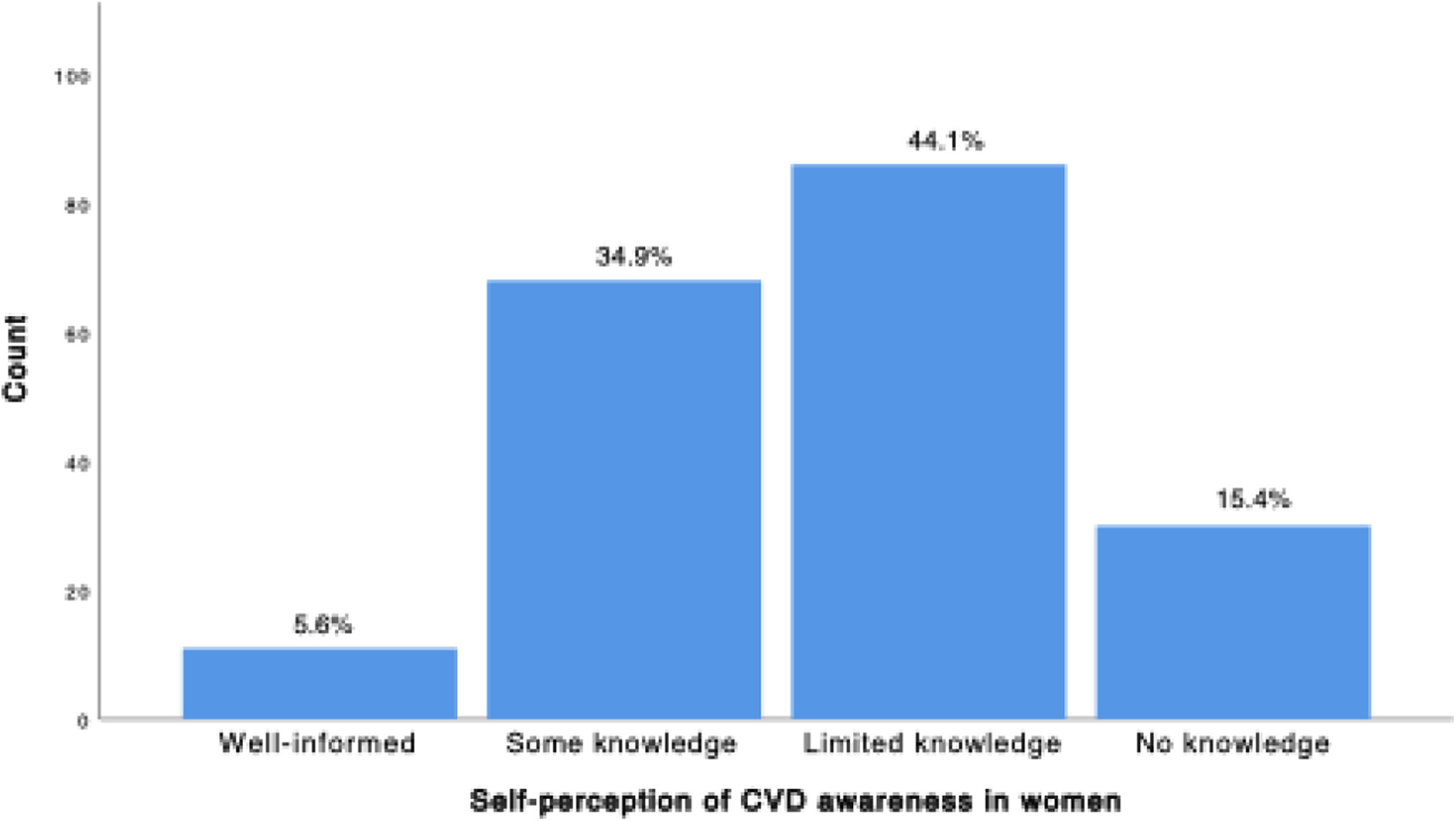
When asked about their self-perceived knowledge of cardiovascular disease in women (Figure 1), a large proportion of participants reported significant knowledge gaps; 15.4% of the women were completely unaware, while 44.1% acknowledged having limited knowledge. In contrast only a small minority (5.6%) considered themselves well-informed on the topic.
Cardiovascular health literacy assessment
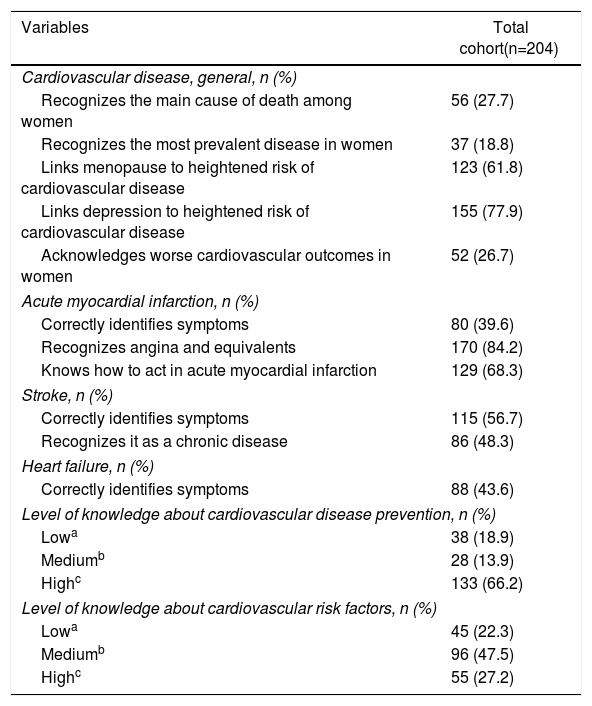
As detailed in Table 2, awareness of the sex-specific disease burden was limited. Although 27.7% identified cardiovascular disease as the leading cause of death among women, only 18.8% recognized it as the most prevalent disease, and 26.7% acknowledged poorer cardiovascular outcomes in women. Knowledge of women-specific risk factors was uneven: 61.8% linked menopause to heightened cardiovascular risk, and 77.9% linked depression with increased risk.
Cardiovascular health literacy assessment.
| Variables | Total cohort(n=204) |
|---|---|
| Cardiovascular disease, general, n (%) | |
| Recognizes the main cause of death among women | 56 (27.7) |
| Recognizes the most prevalent disease in women | 37 (18.8) |
| Links menopause to heightened risk of cardiovascular disease | 123 (61.8) |
| Links depression to heightened risk of cardiovascular disease | 155 (77.9) |
| Acknowledges worse cardiovascular outcomes in women | 52 (26.7) |
| Acute myocardial infarction, n (%) | |
| Correctly identifies symptoms | 80 (39.6) |
| Recognizes angina and equivalents | 170 (84.2) |
| Knows how to act in acute myocardial infarction | 129 (68.3) |
| Stroke, n (%) | |
| Correctly identifies symptoms | 115 (56.7) |
| Recognizes it as a chronic disease | 86 (48.3) |
| Heart failure, n (%) | |
| Correctly identifies symptoms | 88 (43.6) |
| Level of knowledge about cardiovascular disease prevention, n (%) | |
| Lowa | 38 (18.9) |
| Mediumb | 28 (13.9) |
| Highc | 133 (66.2) |
| Level of knowledge about cardiovascular risk factors, n (%) | |
| Lowa | 45 (22.3) |
| Mediumb | 96 (47.5) |
| Highc | 55 (27.2) |
Symptom recognition varied according to condition. For acute myocardial infarction, 39.6% correctly identified key symptoms, 84.2% recognized angina and its equivalents, and 68.3% knew how to respond to an acute myocardial infarction. For stroke, 56.7% correctly identified symptoms, and 48.3% regarded stroke as a chronic disease. For heart failure, 43.6% correctly identified symptoms.
Knowledge of prevention and risk factors was heterogeneous. Based on the classification score defined by the authors, 66.2% were classified as having a high level of knowledge regarding preventive measures, 13.9% as medium, and 18.9% as low. In contrast, knowledge of cardiovascular risk factors: 22.3% demonstrated a low level, 47.5% a medium level, and 27.2% a high level.
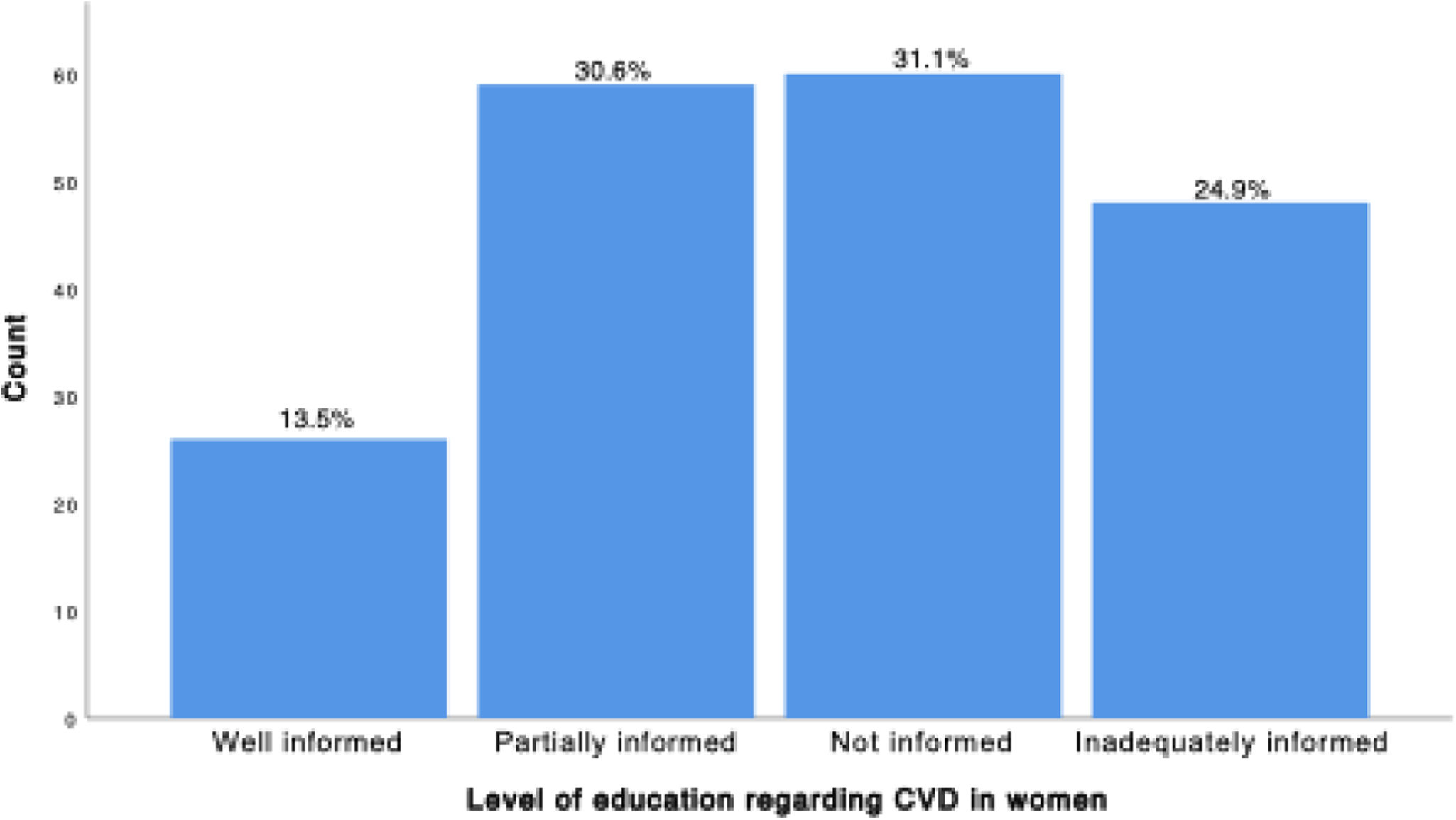
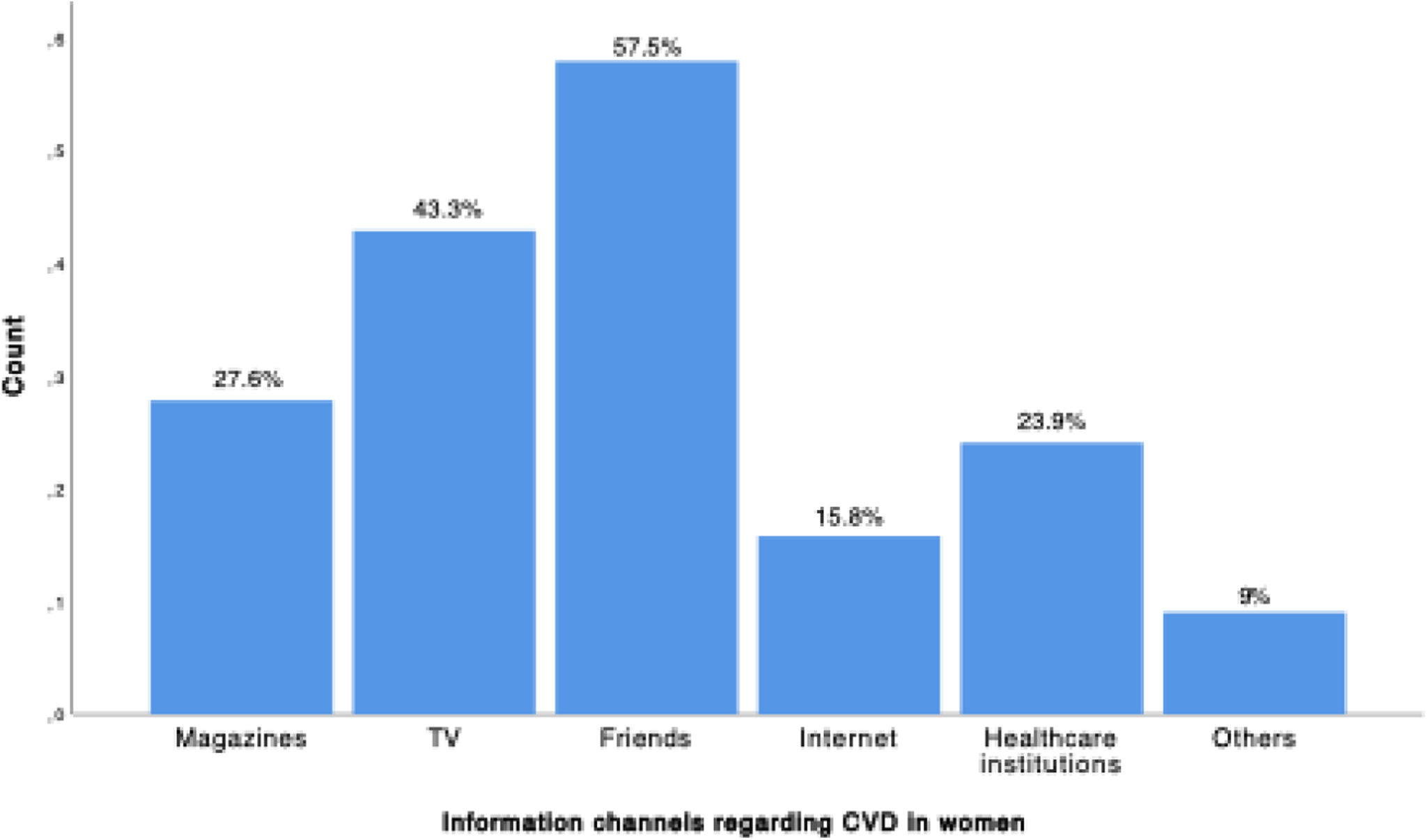
Information accessibility and perceived barriers to healthy lifestylesRegarding education and access to information, a significant portion of participants (31.1%) reported no prior education on cardiovascular disease in women, and a further 24.9% felt inadequately informed (Figure 2). In contrast, 30.6% reported feeling partially informed, and only 13.5% felt well informed. Notwithstanding these perceived gaps, a substantial majority (69.5%) had encountered the topic within the past year, and 63.8% found information on cardiovascular disease in women easy to access. Among those who encountered the topic in the last year, the main sources were friends (57.5%), TV (43.3%), magazines (27.6%), healthcare institutions/providers (23.9%), and the internet (15.8%) (Figure 3).


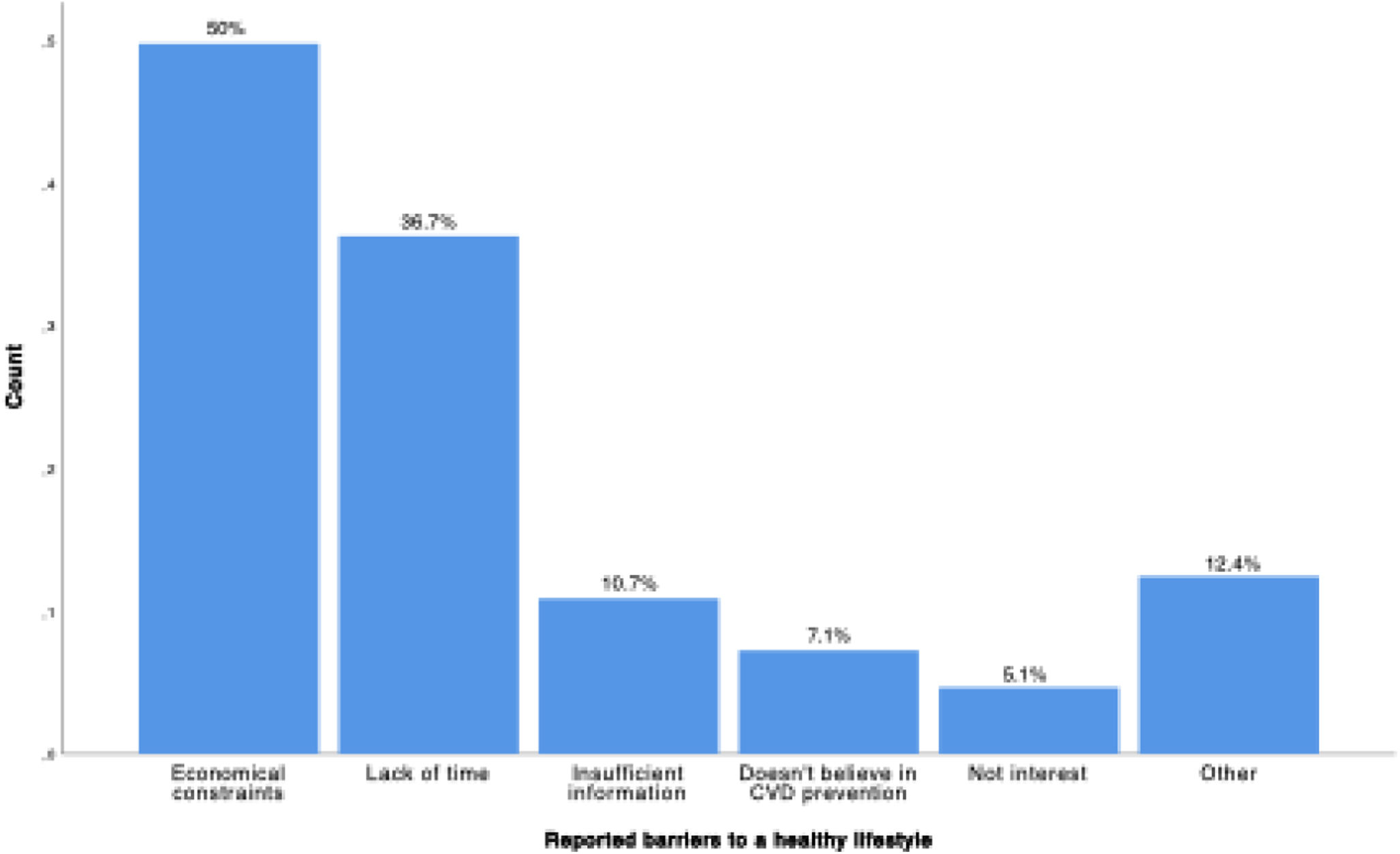
Barriers to adopting heart-healthy behaviors were common, with economic constraints (50%) and lack of time (36.7%) being the most frequently cited (Figure 4). Fewer participants cited lack of information (10.7%), disbelief in prevention (7.1%), or disinterest (5.1%). Despite these obstacles, most respondents (77%) reported feeling comfortable discussing their illness with their physician.
Risk factors for lack of awareness of cardiovascular disease in women
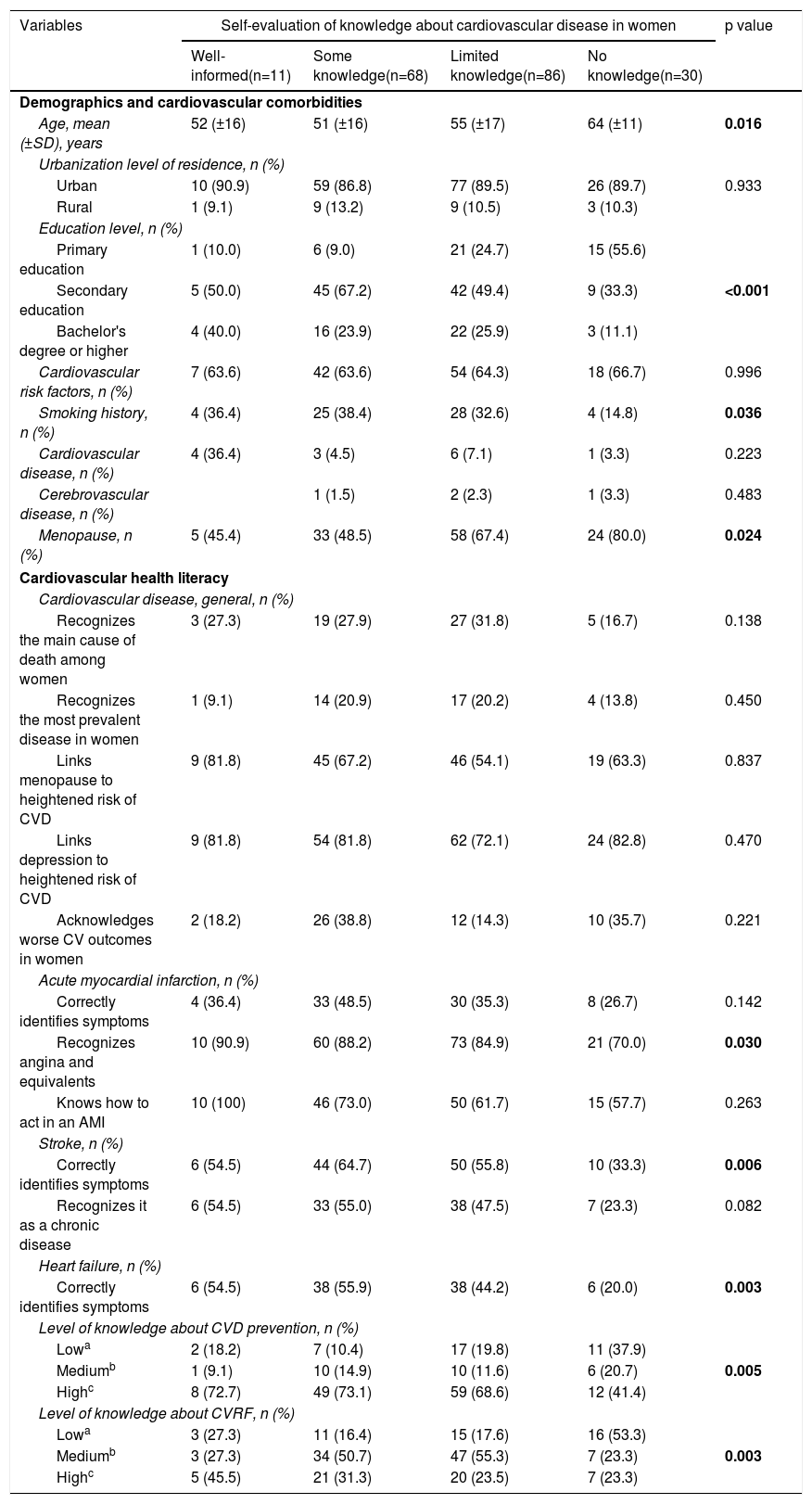
We examined predictors of low cardiovascular disease awareness in women. The primary outcome was self-reported lack of awareness, as measured by a specific item on the survey. This was operationally defined as respondents who selected “I don’t know”. The univariate analysis identified that low awareness was significantly associated with age (p=0.016), educational attainment (p<0.001), smoking history (p=0.036), and menopause (p=0.024) (Table 3). This analysis further confirmed that women reporting higher awareness also demonstrated significantly greater knowledge of cardiovascular disease preventive measures (p=0.005) and cardiovascular risk factors (p=0.003).
Cardiovascular health knowledge by stratified by awareness level.
| Variables | Self-evaluation of knowledge about cardiovascular disease in women | p value | |||
|---|---|---|---|---|---|
| Well-informed(n=11) | Some knowledge(n=68) | Limited knowledge(n=86) | No knowledge(n=30) | ||
| Demographics and cardiovascular comorbidities | |||||
| Age, mean (±SD), years | 52 (±16) | 51 (±16) | 55 (±17) | 64 (±11) | 0.016 |
| Urbanization level of residence, n (%) | |||||
| Urban | 10 (90.9) | 59 (86.8) | 77 (89.5) | 26 (89.7) | 0.933 |
| Rural | 1 (9.1) | 9 (13.2) | 9 (10.5) | 3 (10.3) | |
| Education level, n (%) | |||||
| Primary education | 1 (10.0) | 6 (9.0) | 21 (24.7) | 15 (55.6) | |
| Secondary education | 5 (50.0) | 45 (67.2) | 42 (49.4) | 9 (33.3) | <0.001 |
| Bachelor's degree or higher | 4 (40.0) | 16 (23.9) | 22 (25.9) | 3 (11.1) | |
| Cardiovascular risk factors, n (%) | 7 (63.6) | 42 (63.6) | 54 (64.3) | 18 (66.7) | 0.996 |
| Smoking history, n (%) | 4 (36.4) | 25 (38.4) | 28 (32.6) | 4 (14.8) | 0.036 |
| Cardiovascular disease, n (%) | 4 (36.4) | 3 (4.5) | 6 (7.1) | 1 (3.3) | 0.223 |
| Cerebrovascular disease, n (%) | 1 (1.5) | 2 (2.3) | 1 (3.3) | 0.483 | |
| Menopause, n (%) | 5 (45.4) | 33 (48.5) | 58 (67.4) | 24 (80.0) | 0.024 |
| Cardiovascular health literacy | |||||
| Cardiovascular disease, general, n (%) | |||||
| Recognizes the main cause of death among women | 3 (27.3) | 19 (27.9) | 27 (31.8) | 5 (16.7) | 0.138 |
| Recognizes the most prevalent disease in women | 1 (9.1) | 14 (20.9) | 17 (20.2) | 4 (13.8) | 0.450 |
| Links menopause to heightened risk of CVD | 9 (81.8) | 45 (67.2) | 46 (54.1) | 19 (63.3) | 0.837 |
| Links depression to heightened risk of CVD | 9 (81.8) | 54 (81.8) | 62 (72.1) | 24 (82.8) | 0.470 |
| Acknowledges worse CV outcomes in women | 2 (18.2) | 26 (38.8) | 12 (14.3) | 10 (35.7) | 0.221 |
| Acute myocardial infarction, n (%) | |||||
| Correctly identifies symptoms | 4 (36.4) | 33 (48.5) | 30 (35.3) | 8 (26.7) | 0.142 |
| Recognizes angina and equivalents | 10 (90.9) | 60 (88.2) | 73 (84.9) | 21 (70.0) | 0.030 |
| Knows how to act in an AMI | 10 (100) | 46 (73.0) | 50 (61.7) | 15 (57.7) | 0.263 |
| Stroke, n (%) | |||||
| Correctly identifies symptoms | 6 (54.5) | 44 (64.7) | 50 (55.8) | 10 (33.3) | 0.006 |
| Recognizes it as a chronic disease | 6 (54.5) | 33 (55.0) | 38 (47.5) | 7 (23.3) | 0.082 |
| Heart failure, n (%) | |||||
| Correctly identifies symptoms | 6 (54.5) | 38 (55.9) | 38 (44.2) | 6 (20.0) | 0.003 |
| Level of knowledge about CVD prevention, n (%) | |||||
| Lowa | 2 (18.2) | 7 (10.4) | 17 (19.8) | 11 (37.9) | |
| Mediumb | 1 (9.1) | 10 (14.9) | 10 (11.6) | 6 (20.7) | 0.005 |
| Highc | 8 (72.7) | 49 (73.1) | 59 (68.6) | 12 (41.4) | |
| Level of knowledge about CVRF, n (%) | |||||
| Lowa | 3 (27.3) | 11 (16.4) | 15 (17.6) | 16 (53.3) | |
| Mediumb | 3 (27.3) | 34 (50.7) | 47 (55.3) | 7 (23.3) | 0.003 |
| Highc | 5 (45.5) | 21 (31.3) | 20 (23.5) | 7 (23.3) | |
.
CV: cardiovascular; CVD: cardiovascular disease; SD: standard deviation.
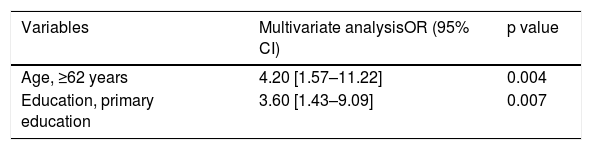
Following adjustment for potential confounding factors, multivariate logistic regression analysis demonstrated that older age (≥62 years) and primary education were independent predictors of lacking cardiovascular awareness in women (Table 4). Using age to classify lack of awareness yielded an AUC of 0.68 (95% CI 0.57–0.77). At age ≥62 years cut-off, sensitivity was 0.72 (95% CI 0.54–0.85) and specificity was 0.66 (95% CI 0.59–0.73). Older age was associated with 4.20-fold increased odds, while primary education was associated with 3.60-fold increased odds of low awareness in women (Table 4).
DiscussionIn this study assessing cardiovascular health awareness among Portuguese women, our population was mostly composed of middle-aged women, living in urban areas, with about two thirds being post-menopausal. Most women had at least a secondary level of education.
We observed an overall low level of self-perceived awareness of CVD in women. Indeed, only one in four participants correctly identified CVD as the leading cause of death among women, and just one in five acknowledged it as the most prevalent disease. This proportion is considerably lower than the 44% who recognized CVD as the leading cause of death in the American Heart Association (AHA) survey conducted in 2019, which itself represented a decline from 65% reported in 2009. In that 2019 survey, higher levels of awareness were observed in women with hypertension.11 Nonetheless, our findings showed a significant discrepancy between the high prevalence of cardiovascular risk factors and the low level of awareness of cardiovascular health in women in our study population.
We would like to highlight that, although nearly four in five participants were able to recognize symptoms of angina, fewer than a half could identify the symptoms of an acute myocardial infarction, which can contribute to delays in seeking medical attention, potentially negatively affecting prognosis. These findings underscore the need for improved education on symptom recognition, which could be addressed through awareness campaigns on acute myocardial infarction.
Although roughly two-thirds of participants achieved a high score in prevention knowledge, fewer than one-third reached a high score in risk-factor knowledge. This dissociation suggests that messages about “what to do” may be landing better than messages about “why it matters”. Future campaigns should therefore pair action-oriented prompts (recognize chest pain, call EMS) with simple, repeated cues about major risks factors using channels our cohort accesses information (television, magazines, peers).
Concerning access to information and education, we found only one in seven participants felt well informed about cardiovascular disease in women despite the large majority having encountered the topic within the past year. This finding may reinforce the perception that it could be of valuable interest to create more structured educational programs and accessible information on the topic, as the most common source of information was informal, through friends, underscoring the need for more reliable and effective communication channels.
The finding that older age, particularly above 62 years, was associated with lower cardiovascular disease awareness may be partly explained by generational differences in access to health education resources and possibly an increasing investment in public health measures, including health literacy. Our results align with previous studies, such as that by Kim et al., which reported a 1.7-fold higher likelihood of low CVD awareness among women older than 70 years, and Albaker et al., who found significantly lower health literacy among participants over 50 years of age.8,9 However, these findings contrast with the American Heart Association (AHA) 2019 survey, where awareness was higher among older women. This discrepancy may be attributed to methodological differences, as the AHA survey was conducted through an online questionnaire, which may have introduced selection bias, leading to a study population with distinct baseline characteristics.11
Raising awareness in older women could be particularly important, as older age is an independent predictor of lacking cardiovascular awareness. Awareness raising and education from healthcare professionals could be effective, as the majority reported that they felt comfortable discussing their illness with their physician.
The creation of structured educational programs, although of interest across all age groups, could be particularly impactful starting from the primary education level. The introduction of these initiatives at a young age may be helpful in cultivating interest and awareness. This is especially relevant considering that women with only primary education level showed 3.6-times higher odds of low awareness.
Economic constraints were the most frequently reported barrier to the adoption of a healthier lifestyle, whereas disinterest was seldom mentioned. This may suggest that, if these barriers are overcome, these women may be receptive to lifestyle changes. The implementation of better health policies, such as accessible and affordable exercise programs, for instance, community-based programs, could be effective and beneficial with presumed positive impact in cardiovascular outcomes.
Our study has several limitations. First, the relatively small sample size may not be representative of all Portuguese women. Additionally, there may be a selection bias, as the participants were recruited from a cardiovascular screening event and possibly represent a more conscious and health-engaged subgroup of the overall population, which may contribute to an overestimation of the level of awareness of CVD in women. Second, as the study was conducted in a single city, our findings cannot be generalized to all regions of our country, as regional variations, in particular between urban and rural areas and across different educational levels, may be significant. In addition, the questionnaire included several questions that relied on self-perceived awareness measures, which is inherently subjective and may not correctly represent the awareness and knowledge levels on CVD.
ConclusionsThis study reveals substantial gaps in cardiovascular health literacy among Portuguese women, with a large proportion reporting limited knowledge of cardiovascular disease, its symptoms, and risk factors. Older age and lower educational attainment were independent predictors of low self-perceived awareness, while perceived barriers – financial constraints and lack of time – further hinder the adoption of healthier behaviors despite some access to information.
To our knowledge, this is the first study to specifically assess cardiovascular health literacy in women in Portugal, providing essential baseline data to guide public health policies and intervention design. Prioritizing accessible, gender-responsive education and addressing structural barriers is essential to empower women to improve risk perception, timely recognition and cardiovascular outcomes.
Ethical approvalNot applicable. All participants provided verbal informed consent prior to completing the questionnaire. The survey was anonymous, and no identifiable personal data were collected; data were analyzed in aggregate and handled in compliance with applicable data-protection regulations (GDPR/EU). As the research involved an anonymous, minimal-risk, survey-based design with no collection of identifiable information, the study was exempt from formal ethics committee approval under our institution's policies.
FundingThis research received no specific grant from any funding agency.
Conflicts of interestThe authors declare no conflicts of interest.
The following are the supplementary data to this article: